What Makes Roofing for Townhome Communities Different?
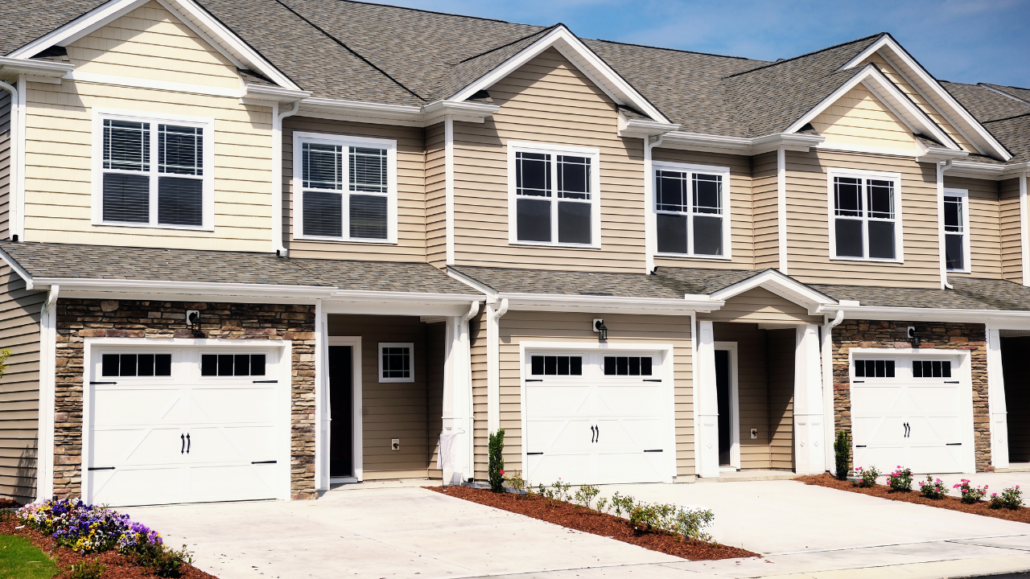
Replacing the roof on a townhome community might not seem much different than replacing the roof on any other property, but townhome communities present a unique set of challenges that require more than technical roofing expertise.
They demand careful planning, clear communication, and an understanding of how to work in occupied communities where dozens (possibly even hundreds) of homeowners are affected by the project.
For property managers and HOA boards, choosing a roofing contractor with experience in townhome communities can make the difference between a smooth project and one filled with unnecessary headaches.
You’re Working in People’s Homes
Unlike many commercial roofing projects, townhome roofing isn’t happening above an empty office or warehouse.
Residents are living their daily lives while construction is taking place. They’re leaving for work, walking their dogs, picking up their kids from school, and expecting to safely access their homes.
That means every decision has a direct impact on the people who live there, and your roofing contractor needs to understand that.
Communication Becomes Just as Important as Construction
One of the biggest frustrations during any roofing project isn’t the noise or temporary inconvenience, but not knowing what’s going on.
Residents want to know:
- When work will begin
- Which buildings are scheduled next
- Whether they’ll need to move their vehicles
- If sidewalks or entrances will be affected
- Who to contact if they have questions
Property managers need those same answers. The best roofing companies establish a communication plan before the first crew arrives, keeping both property management and residents informed throughout the project. This goes a long way toward reducing confusion and complaints.
Every Community Has Its Own Rules
Townhome communities often have governing documents, architectural guidelines, and HOA approval processes that influence how roofing projects move forward.
Depending on the community, there may be requirements related to:
- Roofing materials
- Color selections
- Work hours
- Resident notifications
- Parking accommodations
- Board approvals
Contractors who regularly work with HOAs understand these requirements and know how to navigate them without creating unnecessary delays.
Safety Requires Extra Planning
On an occupied property, safety extends well beyond the construction crew.
You also have to consider:
- Residents walking through the community
- Children playing outside
- Pets
- Vehicles entering and leaving
- Shared sidewalks and common areas
Keeping everyone safe requires careful planning, daily jobsite management, and attention to detail throughout the project.
Logistics Are More Complex
Townhome communities rarely offer the wide-open access that many commercial buildings do.
You’re likely going to have to work around things like:
- Narrow streets
- Limited parking
- Landscaping
- Shared green spaces
- Multiple buildings spread throughout the property
This makes planning even more critical than any other kind of project. Without it, projects can become slower, more disruptive, and more frustrating for everyone involved.
Roofing Often Happens in Phases
Unlike a single commercial building, many townhome communities consist of multiple buildings with roofs in different stages of their lifespan. Rather than replacing every roof at once, you can do this in phases based on budget availability, roof condition, reserve studies, and community priorities.
A phased approach allows HOAs and property managers to spread costs over time while addressing the buildings that need attention most.
Resident Experience Matters
A technically excellent roof installation can still leave a negative impression if residents feel ignored throughout the process. That’s why we have to think beyond the roof itself.
Focus on creating a positive experience by:
- Keeping jobsites clean
- Respecting residents’ property
- Communicating schedule changes
- Responding quickly to questions
- Minimizing disruptions whenever possible
For property managers, that means fewer complaints and fewer calls throughout the project.
Long-Term Planning Is Just as Important as Installation
Townhome communities aren’t just planning for this year’s roofing project. They’re planning for the next 10, 20, or even 30 years.
A trusted roofing partner should help you:
- Understand the current condition of your roofs
- Prioritize future replacements
- Develop a long-term maintenance strategy
- Maximize the lifespan of your roofing system
That proactive approach helps communities make informed financial decisions instead of reacting to emergencies.
Townhouse Roofing Requires a Unique Approach
Roofing a townhome community is about much more than replacing shingles. It requires careful coordination, proactive communication, thoughtful planning, and an understanding of the unique challenges that come with occupied multi-family properties. When you choose a contractor who understands those challenges, you’re not just investing in a new roof, but a smoother experience for your board, your residents, and your entire community.
Looking for a Roofing Partner for Your Townhome Community?
We work with property managers and HOA boards throughout North Atlanta to deliver roofing projects that are organized, transparent, and designed to minimize disruption for occupied communities.
From the initial inspection to the final walkthrough, our team focuses on clear communication, detailed planning, and quality workmanship every step of the way.
If you’re beginning to plan a roofing project for your townhome community, we’d be happy to help you evaluate your options and build a plan that works for your property.