What We Find Under Old Shingles: Decking Rot and Why It Matters
You can’t see the most important part of your roof. It’s under the shingles, and the only day anyone gets a good look at it is the day the old roof comes off.
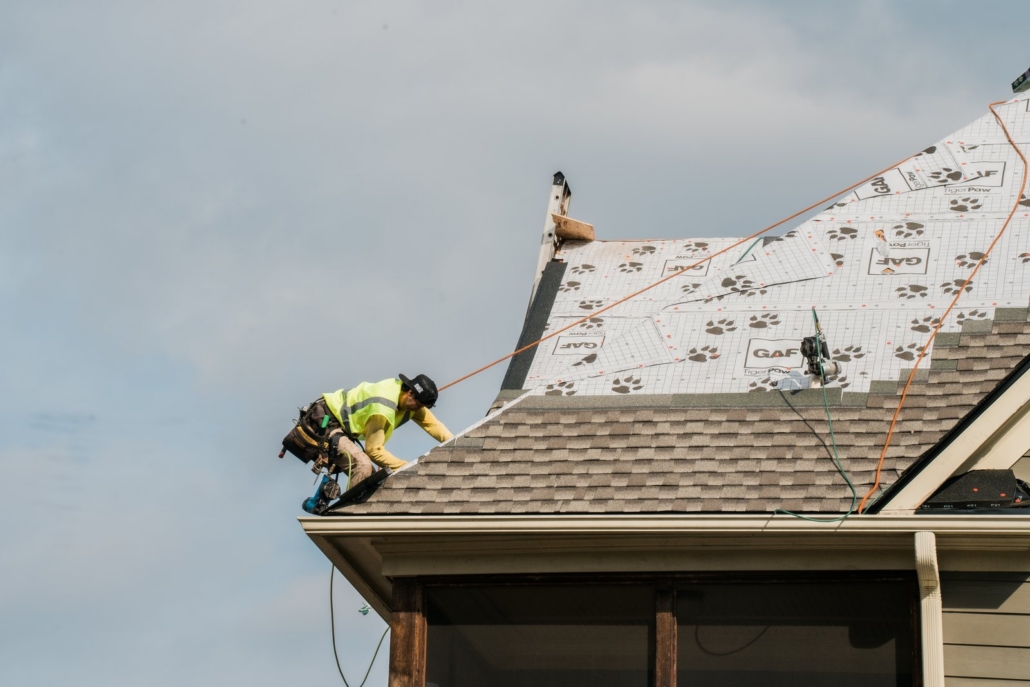
On a roof replacement, the tear-off is the reveal. The shingles and underlayment come up, and the decking underneath sees daylight for the first time in fifteen or twenty years. Most of the time it’s fine. Sometimes it isn’t. Here’s what our crews find under old shingles on homes across Acworth, Kennesaw and Marietta, and why it matters for your new roof.
What Roof Decking Is
Roof decking, also called sheathing, is the layer of wood nailed across the rafters or trusses. On most homes built in the last few decades, it’s sheets of plywood or OSB. Everything else sits on top of it: underlayment, flashing, shingles, ridge vents.
Shingles keep the water out. Decking holds the shingles on. If the decking is soft, the nails have nothing to grip.
What We Find When the Old Roof Comes Off
Soft and Rotted Spots
This is the most common find. A section flexes underfoot, or the wood is dark, crumbling or peeling apart in layers. It almost always lines up with a source of water that has been there a long time.
Rot at the Eaves
The bottom edge of the roof takes water from above and from gutters that overflow or back up. Where drip edge is missing or poorly installed, water wicks into the edge of the decking and the fascia board behind the gutter.
Damage Around Pipes, Chimneys and Valleys
Vent pipes, chimneys, skylights and valleys are where water concentrates. A pipe boot that cracked years ago can feed a slow leak that never reached a ceiling, but has been soaking the wood around it the whole time.
Damage From the Attic Side
Not all rot comes from above. Poor attic ventilation traps warm, moist air, which condenses on the cold underside of the decking in winter. Over the years that can leave the wood stained, moldy or weak, even under a roof that never leaked. Bathroom fans that vent into the attic instead of outdoors make it worse.
A Second Roof Under the First
Sometimes we pull up a layer of shingles and find another layer underneath. Roofing over an old roof is a shortcut. It hides the decking from everyone, adds weight, and means any damage underneath was covered rather than fixed.
Old Patches and Shortcuts
Mismatched shingles, roofing cement smeared over flashing, nails in the wrong places, a scrap of metal slipped under the shingles to cover a problem. Every roof tells the story of every repair it has had.
Board Decking With Gaps
On some older homes, the deck is solid wood boards instead of plywood, and occasionally the boards are spaced apart, a holdover from wood shake roofs. Asphalt shingles need a solid, continuous surface, so that decking needs attention before a new roof goes on.
Signs of Animals
Chewed edges at roof returns, nesting material, gaps at the soffit. Squirrels and raccoons don’t need much of an opening.
Why the Decking Matters for Your New Roof
- Nails need solid wood. A shingle is only as secure as what it’s nailed into.
- Manufacturers expect a sound deck. Shingle installation instructions call for a solid, dry deck. Roofing over rotted wood isn’t right, and it can put the manufacturer’s warranty at risk.
- Soft decking shows. Weak sheets can sag between rafters and show up as waves or dips in a brand-new roof.
- Covered problems keep growing. If the source of the moisture isn’t fixed, new shingles just hide it again.
Why Nobody Can Promise the Number Up Front
Here’s the honest part. Nobody can see every sheet of decking until the old roof is off. A good inspection can spot the warning signs, like soft spots, sagging and stains in the attic, but the full picture shows up on tear-off day.
That’s why a roof quote should explain, in writing, how damaged decking will be handled: how it’s identified, how you’ll be told, and how replacement is priced. If a quote doesn’t say, ask. Decking is one of the most common surprises on a re-roof, and it shouldn’t be a surprise at all. You can read more about how we run a residential re-roof, and our FAQ walks through our process step by step.
What You Can Check Now
- In the attic, look for dark stains, mold or soft-looking wood on the underside of the decking.
- Look for daylight around vent pipes and the chimney.
- From the ground, look for dips or waves in the roofline.
- Make sure insulation isn’t blocking the soffit vents, and that bath fans vent outdoors.
- Keep the gutters clear so water doesn’t back up at the eaves.
- Find out whether your house has more than one layer of shingles.
See What’s Under Your Shingles Before It Matters
Academy Roofing has served homeowners across Acworth, Kennesaw, Marietta and greater Atlanta for more than 25 years. Built on Truth, Backed by Experts: we’ll tell you what we see, and we’ll show you what we find.
Schedule a free roof inspection: call 678-384-7663 or visit academyroofing.co.