Why Commercial Roofs in Metro Atlanta Fail Earlier and What Facility Managers Can Do About It
Commercial roofs in Metro Atlanta don’t get the easy route. Between fast-changing temperatures, dense tree cover, and frequent severe storms, even well-built systems can wear down years earlier than expected. Facility managers in Marietta, Kennesaw, Acworth, Woodstock, and surrounding areas see this firsthand. Membrane splits that appear out of nowhere, chronic ponding water, HVAC-related leaks, and hail damage that doesn’t become obvious until the next big rain.
But early failure isn’t random. It’s usually the result of a mix of climate, building age, and maintenance challenges specific to this region. But once you understand what’s working against your roof, you can take strategic steps to extend its lifespan and reduce emergency repairs.
Metro Atlanta’s Climate Is Hard on Commercial Roofs
Frequent Freeze–Thaw Cycles
In Metro Atlanta, temperatures swing quickly, especially overnight. A warm afternoon followed by a cold night creates rapid expansion and contraction in your roofing membrane. Over time, this movement stresses seams, flashing, and penetrations, leading to early cracking and separation.
Heavy Rain & High Humidity
Metro Atlanta sees long-duration rainstorms that keep roofs wet for extended periods. Flat and low-slope roofs take the brunt of it. High humidity also slows down drying time, which means moisture intrusions have more opportunity to migrate into insulation and roof decks.
Dense Tree Coverage
Areas like Marietta and Acworth have heavy oak, pine, and hardwood forestation. While it’s beautiful, it creates a constant flow of debris. Leaves, needles, pollen, acorns, and small limbs clog drains at a faster rate than many facility managers expect. Clogged drainage is one of the top contributors to ponding water and membrane deterioration in this region.
Severe Storm Frequency
Metro Atlanta sits in a corridor with frequent thunderstorms, straight-line winds, and scattered hail.
These conditions cause:
- Lifted edges
- Punctures from debris
- Invisible membrane bruising
- Damage around rooftop units
In high-hail pockets of Cobb and Cherokee counties, commercial roofs may need reinforcement or more frequent inspections to stay ahead of developing issues.
Local Building Patterns That Shorten Roof Lifespan
Aging Commercial Inventory
A large portion of Metro Atlanta’s commercial buildings were constructed 20–40 years ago. Many original roof systems are already at—or beyond—their expected service life. Even buildings that have been re-roofed often still carry older infrastructure underneath, like aging decks, outdated drainage layouts, or multiple layers of patchwork repairs.
Flat + Low-Slope Roof Designs
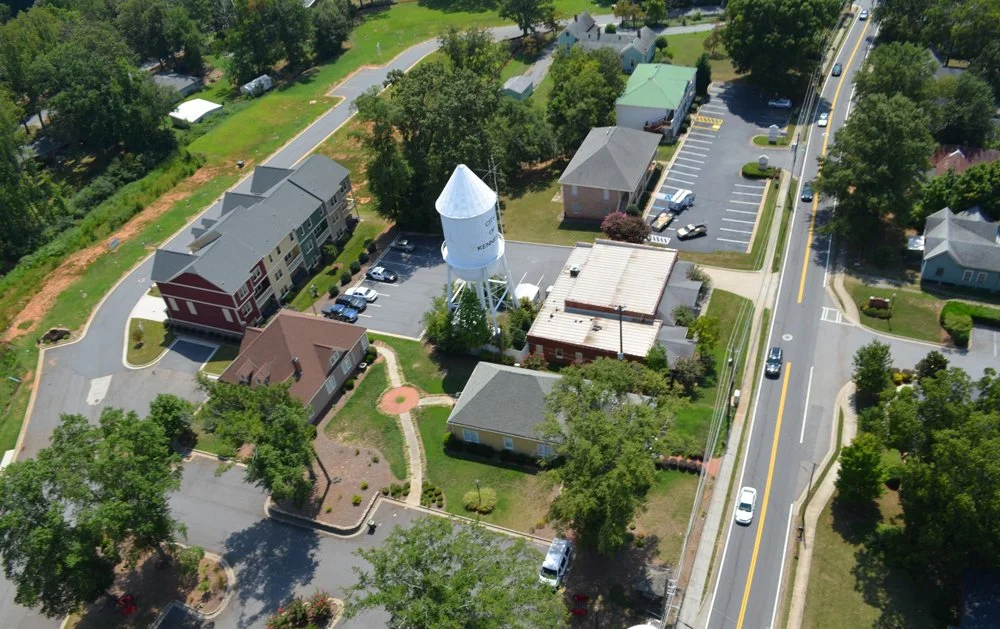
Industrial parks, retail centers, and office buildings in Marietta and Kennesaw rely heavily on flat or low-slope systems like TPO or modified bitumen. These roofs perform well when maintained, but they’re extremely sensitive to drainage issues. In wooded areas, drains can clog monthly, accelerating deterioration.
HVAC-Heavy Commercial Buildings
Because Metro Atlanta experiences high heat for much of the year, most buildings rely heavily on rooftop units. Every HVAC unit brings curbs, seams, and penetrations—some added years after the building was constructed. These are some of the most common sources of leaks we find during inspections.
Common Installation & Maintenance Issues in the Region
DIY or Temporary Repairs
Budget constraints sometimes lead to stopgap fixes like caulking, patching, spray sealants, or quick repairs on active leaks. In Metro Atlanta’s climate, those temporary fixes tend to fail quickly and can make future repairs more costly.
Neglected Drains and Gutters
With so many trees, drainage systems clog fast. This is one of the biggest culprits behind premature roof failure in Marietta, Acworth, Kennesaw, and Woodstock. When water can’t move, it sits—and sitting water always finds its way into something.
Unsealed Penetrations from Tenant Improvements
Restaurants, salons, gyms, data centers, medical offices, and other tenants often install new equipment. If those penetrations aren’t properly flashed and sealed, they become hidden leak points that grow into major issues later.
How Facility Managers Can Extend Roof Life in Metro Atlanta
1. Prioritize Drain & Gutter Cleaning
In this region, addressing drainage isn’t optional. Clogged drains lead to ponding, structural stress, seam failures, and leaks. Monthly or quarterly cleaning is recommended, especially for buildings near trees.
2. Schedule Post-Storm Inspections
After heavy thunderstorms or high-wind events, a quick inspection can catch issues before they turn into leaks. Look for edge lifting, membrane wrinkles, loose flashing, or debris punctures. Hail damage often requires a trained eye to detect.
3. Monitor HVAC-Related Risks
HVAC curbs are some of the most common leak points on commercial roofs. Check around units regularly and ensure walk pads are in place so service teams don’t damage the membrane.
4. Keep Documentation for Insurance
Insurance adjusters in Metro Atlanta are careful with storm claims. Regular photo logs, moisture surveys, and inspection reports make the claims process easier—and more successful.
5. Consider Reflective or “Cool Roof” Options
For buildings in direct sun, reflective roofing helps reduce thermal stress, energy costs, and membrane aging.
6. Plan Restorations Before Major Damage Occurs
If the roof is still structurally sound, a restoration system (like coating or encapsulation) can add significant life at a lower cost than replacement. Timing is everything—once moisture reaches the deck, restoration is no longer an option.
When It’s Time to Consider Replacement Instead of Repair
Repairing a roof that has fundamental failures often just delays the inevitable.
Replacement may be the smarter investment when:
- Insulation is saturated
- Leaks reappear after every storm
- The roof is 18–25+ years old
- Tenant penetrations have created a patchwork system
- Hail damage extends across large areas of the roof
- Energy costs are rising because of membrane deterioration
A modern system provides better energy performance, stronger warranties, and fewer surprises.
Why a Local Metro Atlanta Roofing Partner Makes the Difference
Roofing in Metro Atlanta is unique. Working with a truly local partner matters because they understand:
- The microclimates in Marietta, Kennesaw, Acworth, and Woodstock
- The tree density and debris patterns that change building by building
- Common storm paths and hail-prone zones
- City-specific permitting
- The aging infrastructure of North Metro commercial parks and retail centers
Local knowledge reduces guesswork and increases roof lifespan.
Early Roof Failure Isn’t Inevitable
Metro Atlanta is tough on commercial roofs, but with proactive maintenance, smart planning, and a roofing partner who understands local conditions, facility managers can extend roof life significantly. A strategic approach reduces emergency calls, prevents major leaks, and protects your building investment year after year.Need a commercial roof inspection, repair, or full replacement in Metro Atlanta? Contact our team at Academy Roofingtoday!