Why TPO Dominates Commercial Roofs in Greater Atlanta (And When It Isn’t the Best Choice)
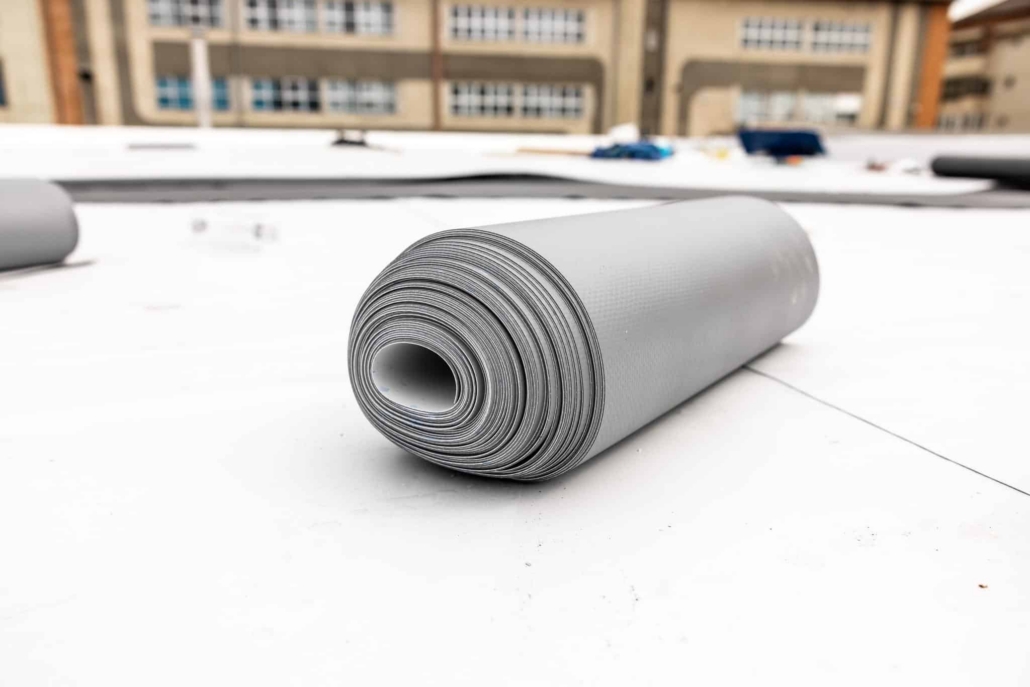
If you manage or own a commercial building in Greater Atlanta, chances are your roof is TPO, or you’ve at least been told it should be. Over the last decade, TPO (thermoplastic polyolefin) has become the most common commercial roofing system across the Greater Atlanta area, from warehouses and retail centers to offices and medical facilities.
That popularity has grown because TPO performs well in the Greater Atlanta climate, offering a strong balance of cost and durability, and meets modern energy standards. But like any roofing system, it isn’t always the right fit.
Understanding why TPO dominates and when it may not be the best choice can help facility managers make smarter, longer-term decisions instead of defaulting to what’s most common.
Why TPO Is So Popular in Greater Atlanta
It Handles Heat Better Than Many Alternatives
Greater Atlanta’s long, hot summers put constant thermal stress on commercial roofs. TPO’s reflective white surface helps reduce heat absorption, which lowers rooftop temperatures and eases strain on HVAC systems.
For large, flat buildings like warehouses or retail plazas, that reflectivity can translate into real energy savings and less membrane fatigue over time.
It Performs Well in a Storm-Heavy Climate
Greater Atlanta sees frequent thunderstorms, heavy rain, and strong wind events. When properly installed, TPO provides:
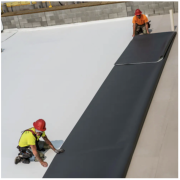
- Heat-welded seams that are stronger than adhesive-based systems
- Good resistance to wind uplift
- Strong performance against moisture intrusion
These qualities make it a reliable option for buildings exposed to seasonal storms.
It’s Cost-Effective for Large Roof Areas
Compared to some alternatives, TPO offers a lower upfront cost while still delivering solid performance. For facility managers responsible for large roof footprints, that balance between cost and lifespan is often hard to beat.
It’s one reason TPO has become the default choice for new construction and re-roofing projects across Greater Atlanta.
It Meets Modern Energy & Code Requirements
Many municipalities and building owners across Greater Atlanta prioritize energy efficiency. TPO easily meets reflective roofing requirements and pairs well with added insulation, helping buildings stay compliant while improving indoor comfort.
Where TPO Performs Best
TPO is often an excellent fit for:
- Large warehouses and distribution centers
- Retail centers and strip malls
- Office buildings with flat or low-slope roofs
- Medical and professional buildings
- New construction or full roof replacements
In these applications, TPO delivers predictable performance when installed correctly and maintained consistently.
When TPO May Not Be the Best Choice
Despite its popularity, TPO isn’t a one-size-fits-all solution.
Buildings With Heavy Rooftop Traffic
Facilities with frequent foot traffic, due to HVAC servicing, equipment access, or tenant activity, can wear down TPO membranes faster. While walk pads help, some buildings benefit from more robust systems in high-traffic zones.
Older Buildings With Structural Limitations
Not all buildings in Greater Atlanta are ideal candidates for TPO without additional work. Older roofs may have:
- Deck issues
- Drainage problems
- Multiple existing roof layers
In some cases, alternative systems or restoration approaches may be more practical than forcing a full TPO replacement.
Heavily Wooded or Debris-Prone Areas
Many parts of Greater Atlanta have dense tree coverage. Debris buildup can stress any flat roofing system. TPO can still perform well, but only with disciplined drain maintenance. Without it, ponding water and seam stress become bigger risks.
Projects Focused on Maximum Lifespan Over Cost
If the goal is the longest possible service life regardless of upfront cost, other systems may outperform TPO in certain scenarios. TPO offers strong value, but it’s not always the top option for owners prioritizing longevity above all else.
Why Installation Quality Matters More Than Material
One of the biggest misconceptions in commercial roofing is that the material alone determines performance. In reality, many TPO failures stem from:
- Poor seam welding
- Improper flashing around penetrations
- Inadequate drainage design
- Rushed or inconsistent installation
A well-installed TPO roof can outperform a poorly installed “premium” system every time. This is especially true in Greater Atlanta, where heat, storms, and humidity expose weak points quickly.
Maintenance Still Matters, Even With TPO
TPO is durable, but it’s not maintenance-free. To get the full lifespan out of a TPO roof in Greater Atlanta, facility managers should:
- Schedule regular inspections
- Keep drains and gutters clear
- Monitor HVAC curbs and penetrations
- Address small issues before storm season
- Maintain documentation for warranty and insurance purposes
Most early TPO failures aren’t material defects, but maintenance gaps.
Making the Right Choice for Your Commercial Building
TPO dominates commercial roofing in Greater Atlanta for good reason. It handles heat well, performs reliably in storms, and delivers strong value for large buildings. But it’s not always the best answer for every facility, every roof layout, or every long-term goal.
The best roofing decisions come from understanding your building, your environment, and your priorities, not just following what’s most common.