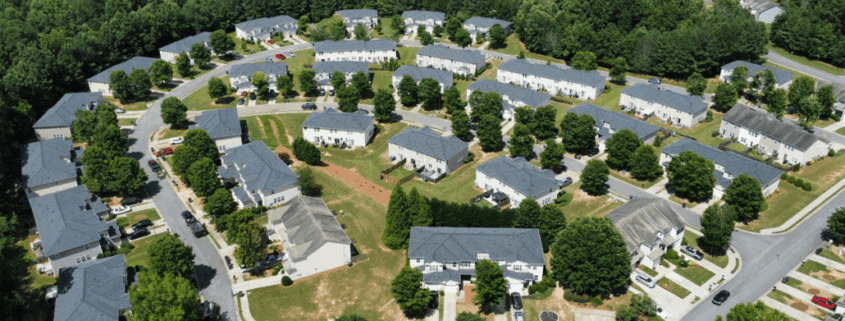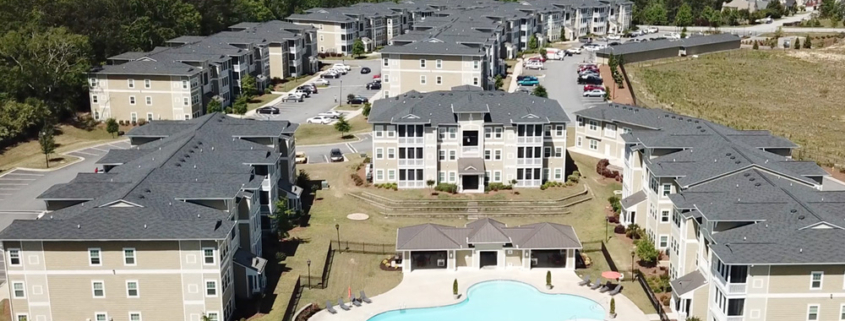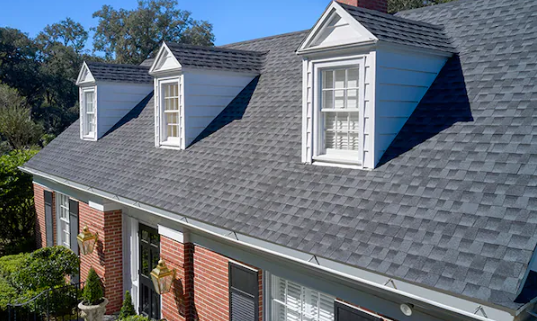
If you’re planning a commercial roof replacement in Greater Atlanta, you’ve likely heard the same three options come up again and again: TPO, EPDM, and PVC.
Each system has its strengths, performs differently depending on your building, and reacts differently to Atlanta’s heat, storms, and humidity.
We caution facility managers and commercial property owners throughout the Greater Atlanta area to not always go with what’s most common, but the option that will actually perform best for a specific building and long-term goals.
Keep reading for a thorough breakdown of each option so you can determine what’s best for your property.
Understanding Atlanta’s Roofing Challenges First
Before comparing materials, it’s important to understand what roofs face in our region.
Roofs must withstand:
- Long, hot summers with intense UV exposure
- High humidity and moisture retention
- Heavy rainfall and sudden thunderstorms
- Wind-driven rain events
- Occasional hail
- Freeze–thaw cycles in late winter
Any roof installed here needs to handle heat, movement, moisture, and storm pressure, often all in the same week.
TPO is The Most Common Choice
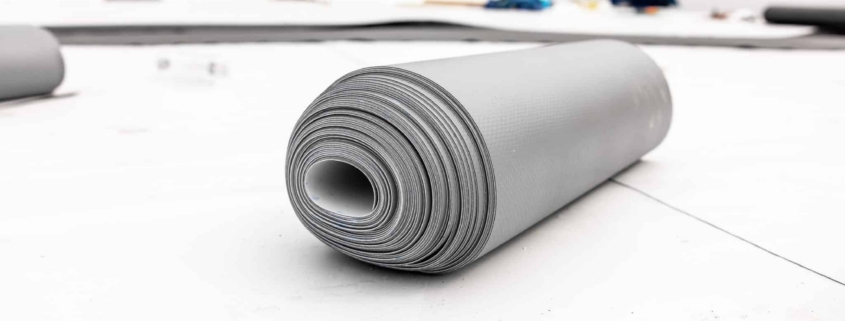
TPO (Thermoplastic Polyolefin) has become the dominant commercial roofing system in the Atlanta market, and for good reason.
Where TPO Performs Well
- Reflective white surface reduces heat absorption
- Strong heat-welded seams resist water intrusion
- Cost-effective for large roof areas
- Meets cool roof and energy performance standards
During our hot summers, TPO’s reflective surface helps reduce rooftop temperatures and eases HVAC strain, a major advantage for warehouses and retail centers in areas like Kennesaw and Marietta.
Where TPO Has Limits
- Heavy rooftop traffic can cause wear
- Poor installation can lead to seam failure
- Requires consistent maintenance to prevent ponding-related stress
When properly installed and maintained, TPO performs reliably in our climate. But like any system, workmanship matters.
EPDM: The Durable Rubber Option
EPDM (Ethylene Propylene Diene Monomer) is a black rubber membrane that has been used in commercial roofing for decades.
Where EPDM Performs Well
- Flexible in temperature swings
- Strong resistance to impact damage
- Proven long-term track record
EPDM handles freeze–thaw cycles well, which can be beneficial during late winter temperature shifts.
Where EPDM Has Limits
- Black surface absorbs heat
- Higher rooftop temperatures in summer
- Seams are adhesive-based rather than heat-welded
During a long, hot North Georgia summer, EPDM’s heat absorption can increase building cooling demands. For some properties, that tradeoff is acceptable. For others, energy performance becomes a deciding factor.
PVC: The Premium Chemical-Resistant Option
PVC (Polyvinyl Chloride) is similar in appearance to TPO but is chemically different and often positioned as a higher-performance system.
Where PVC Performs Well
- Excellent resistance to chemicals and grease
- Heat-welded seams for strong water resistance
- Reflective surface similar to TPO
- Durable under rooftop equipment
PVC is often a strong choice for restaurants, manufacturing facilities, or buildings where grease and chemical exposure are concerns.
Where PVC Has Limits
- Higher upfront cost
- Not always necessary for standard office or retail properties
For buildings without chemical exposure or heavy rooftop demands, PVC may exceed what’s needed.
How They Compare in Atlanta’s Climate
| Factor | TPO | EPDM | PVC |
| Heat Reflection | Strong | Low | Strong |
| Storm Resistance | Strong (if installed well) | Strong | Strong |
| Seam Strength | Heat-welded | Adhesive-based | Heat-welded |
| Chemical Resistance | Moderate | Moderate | Excellent |
| Cost | Moderate | Moderate | Higher |
| Energy Efficiency | High | Lower | High |
No system “wins” across every category. The best performer depends on your building type and priorities.
So Which Roof Performs Best in Greater Atlanta?
For many commercial buildings — especially warehouses, offices, and retail centers — TPO often provides the best balance of performance, energy efficiency, and cost in Atlanta’s climate.
However:
- Buildings with chemical exposure may benefit from PVC.
- Older structures or specialty projects may lean toward EPDM in certain situations.
- Heavy-traffic rooftops may require additional reinforcement regardless of membrane type.
The material is important, but so is proper drainage design, insulation, installation quality, and long-term maintenance.
The Bigger Question Is What Does YOUR Building Need?
The right roofing system isn’t determined by trends. It’s determined by:
- Your roof layout
- Drainage performance
- Rooftop equipment
- Tenant demands
- Budget and lifecycle goals
- Local weather exposure
No roof performs well if it isn’t installed properly and maintained consistently.
Choosing Between TPO, EPDM, and PVC
TPO, EPDM, and PVC can all perform in Atlanta’s climate. The difference isn’t just the material but how well the system matches your building and how well it’s installed.
For facility managers throughout Greater Atlanta, the goal isn’t choosing the most popular option. It’s choosing the system that protects your property long term.