If you’re planning a commercial roofing project in 2026, there are some important code changes in Atlanta that business owners and facility managers should be aware of before submitting permits or finalizing specifications.

These updates affect how roofs are designed, permitted, and approved, especially around energy performance and compliance with newer building standards. If you’re caught off guard, they can slow projects down, increase costs, or force last-minute revisions.

Here’s what’s changing, what it means for your roof, and how to plan ahead.

Georgia’s Updated Building Codes Take Effect in 2026

Starting January 1, 2026, Georgia is adopting updated statewide construction codes that apply to commercial buildings across the state. 

The most relevant change for roofing projects is the adoption of the 2024 International Building Code (IBC) with Georgia amendments. This code governs how commercial roof systems are designed, installed, and inspected.

For roofing projects, this impacts:

  • Roof assemblies and attachment methods
  • Insulation requirements
  • Structural considerations for rooftop equipment
  • Documentation required during permitting

While many roofs will still be built similarly to today, the review process is stricter, and plans must clearly show compliance.

One important timing note on permit applications: 

In Atlanta, permit applications submitted before February 1, 2026 may still be reviewed under older code editions. Applications submitted after that date must comply with the updated standards.

Atlanta’s Cool Roof Requirements Are Now Code-Enforced

One of the biggest local changes impacting commercial roofs is Atlanta’s cool roof ordinance, which became active in 2025 and is now fully integrated into the city’s construction code heading into 2026.

For business owners, this means:

  • New commercial roofs and full roof replacements must meet minimum solar reflectance and emissivity standards
  • The requirement applies to most commercial roof types, not just flat roofs
  • Reflective performance is no longer optional, but part of code compliance

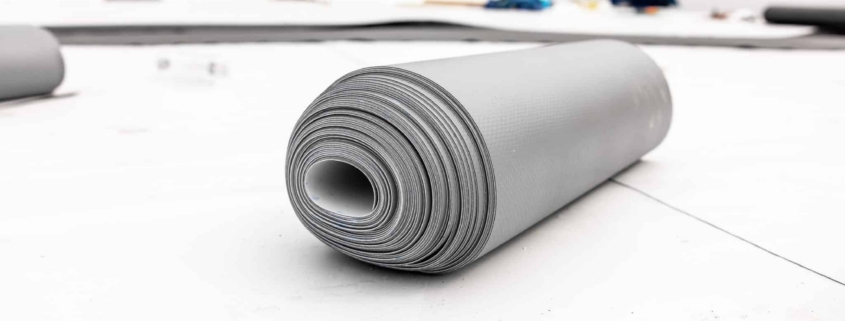
In practical terms, this pushes most commercial projects toward reflective roofing systems, such as white TPO or other approved “cool roof” materials.

This ordinance is designed to reduce heat buildup, improve energy performance, and lower long-term operating costs, but it also means roofing material selection must be intentional from the start.

How These Changes Affect Commercial Roof Permitting

For facility managers, the biggest impact isn’t necessarily the roof itself, but the permitting process.

Under the updated codes, permit reviewers are paying closer attention to:

  • Insulation values and roof assembly details
  • Manufacturer documentation
  • How the roof meets energy and reflectivity requirements
  • How rooftop equipment integrates with the roofing system

Incomplete or unclear submittals are the most common reason permits get delayed.

This is especially important for:

  • Full roof replacements
  • Projects involving new HVAC units
  • Older buildings being brought up to current standards

What Hasn’t Changed, But Still Catches People Off Guard

Even with the 2026 updates, some long-standing rules remain and still cause issues when overlooked.

You still need permits for:

  • Full commercial roof replacements
  • Structural roof repairs
  • New rooftop penetrations or equipment
  • Major repairs affecting large sections of the roof

Routine maintenance, minor patching, and inspections generally do not require permits, as long as the structure and roof system aren’t being altered.

Why Early Planning Matters More in 2026

With tighter reviews and updated standards, waiting until the last minute to think about code compliance can be costly.

Early planning allows you to:

  • Choose materials that already meet reflectivity and insulation requirements
  • Avoid redesigns during permit review
  • Keep projects on schedule
  • Prevent surprise costs tied to code corrections

For facility managers overseeing multiple properties, this kind of foresight makes a huge difference.

The Value of Working With a Local Great Atlanta Roofing Partner

Code changes don’t exist in isolation. They’re interpreted and enforced by local permitting offices, and those interpretations can vary.

A contractor familiar with the 2026 requirements of Greater Atlanta understands:

  • How the updated IBC is being applied locally
  • What documentation plan reviewers expect to see
  • How the cool roof ordinance affects material selection
  • How to avoid common permitting delays

That local knowledge often saves time and money. 

Get Your Commercial Roof in Order This Year

The 2026 commercial roofing code changes in Atlanta aren’t designed to make projects harder, but they do raise the bar for planning and documentation. Business owners who understand these updates and plan early will move through permitting more smoothly and avoid unnecessary setbacks.

If a roof replacement or major repair is on your horizon, now is the time to make sure your plans align with what’s coming.

Need help navigating Atlanta’s 2026 commercial roofing code changes? Academy Roofing works with business owners and facility managers to plan compliant, efficient roofing projects from start to finish. Reach out to our team to get started.

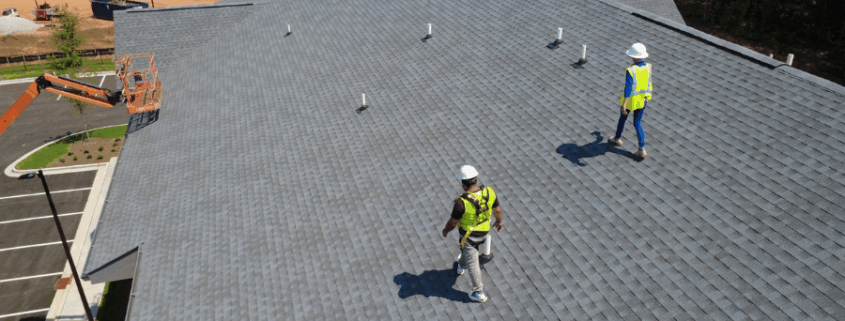
Aerial view of commercial rooftops in Cobb County relevant to roofing permits

Commercial roof work in Cobb County is more regulated than many facility managers expect, whether you’re planning a full replacement, a major repair, or an upgrade to a more energy-efficient roofing system. 

But knowing when you need a permit—and how the process works—can feel confusing. Different cities inside Cobb (Marietta, Kennesaw, Acworth) have their own rules, and the county guidelines vary depending on the scope of work. If you’re trying to push a project forward while juggling budgets, tenants, and maintenance schedules, this can become one more thing slowing everything down.

Read more
Example of commercial roof failure in Metro Atlanta due to storm and water damage

Commercial roofs in Metro Atlanta don’t get the easy route. Between fast-changing temperatures, dense tree cover, and frequent severe storms, even well-built systems can wear down years earlier than expected. Facility managers in Marietta, Kennesaw, Acworth, Woodstock, and surrounding areas see this firsthand. Membrane splits that appear out of nowhere, chronic ponding water, HVAC-related leaks, and hail damage that doesn’t become obvious until the next big rain.

Read more
Academy Roofing inspectors evaluating roof safety and insurance compliance

Here’s a question many Georgia property managers never think to ask: Who is allowed to be on my roof?

Painters, HVAC techs, and gutter cleaners often climb roofs without proper insurance. One slip or fall can trigger a financial nightmare. When that happens, the property owner, and not the vendor, can be held liable.

At Academy Roofing, we specialize in protecting Acworth property owners through safety protocols and the right coverage. As a fully insured roofing contractor in Acworth GA and beyond, we carry the documentation that the other guys forget, so you’re never left exposed.

Read more
10 Essential Questions Before Hiring a Roofer

When it comes to protecting your home, few things are more critical than a solid, well-installed roof. Whether you’re dealing with storm damage, an aging roof, or planning a full replacement, choosing the right roofing contractor can make all the difference. At Academy Roofing, based in Acworth and proudly serving the greater Atlanta area, we believe informed clients make the best decisions. That’s why we’ve compiled this list of essential questions every homeowner should ask before hiring a roofer.

Read more
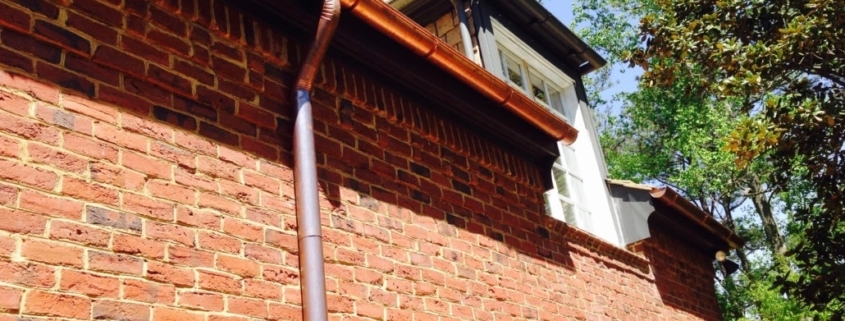
Copper gutter system installed on red brick home in Atlanta – Academy Roofing

In the greater Atlanta area, heavy rain and sudden storms are part of life. That’s why your gutters play a critical role in protecting your home. Gutter maintenance is often overlooked by homeowners and property managers until water damage has already occurred.

We’ve seen firsthand how neglected gutters can lead to costly roof repairs, foundation issues, and even interior water damage. Whether you’re in Marietta, Kennesaw, Smyrna, Acworth, or Atlanta, here’s what you need to know to keep your gutters flowing and your roof protected year-round.

Read more
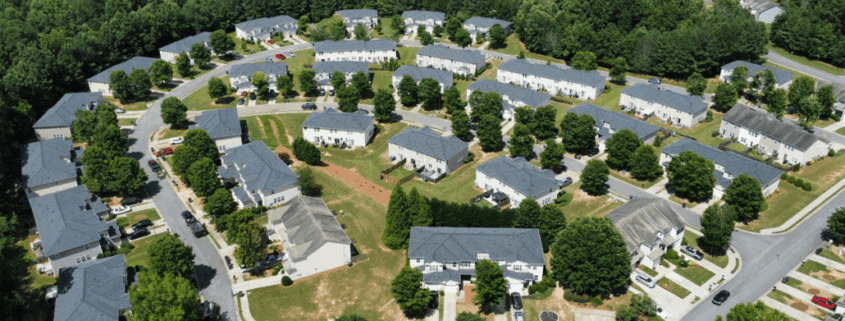
Aerial photo of residential neighborhood in Acworth, GA showing rooftops and surrounding trees

The “Lake City” of Acworth, Georgia is a community where historic charm meets modern growth. That means for homeowners and property managers here, roofing isn’t just a matter of protection, but also a matter of style. Georgia’s humid climate, seasonal storms, and occasional hail pose many challenges to maintaining a beautiful roof.

Read more
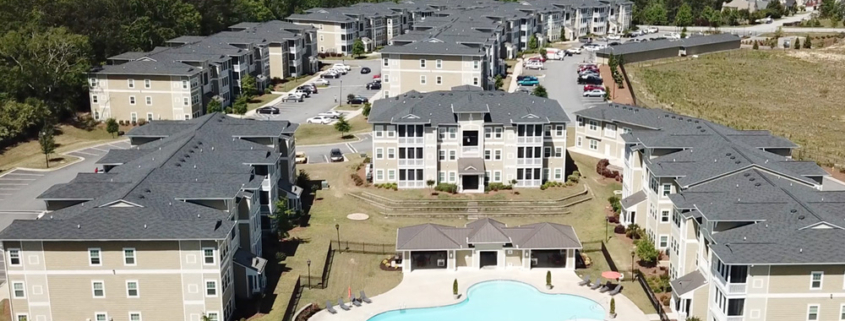
Aerial view of a large apartment complex in Atlanta, GA with well-maintained commercial roofing and a swimming pool

Your roofing is a major investment when it comes to your property or business. Choosing the right roofing system and maintaining it properly can save your business thousands in repairs and energy costs.

At Academy Roofing, we specialize in commercial roofing solutions tailored to the greater Atlanta area. We know how the weather will impact your roof over time and what to look for to diagnose damage. Whether you’re installing a new roof or maintaining an existing one, here’s what you need to know.

Read more

When a storm rolls through, your roof is your home’s first line of defense.

Wind, hail, and heavy rain can cause damage that might not be obvious right away — but if left unchecked, it can lead to costly repairs. Knowing what to look for after a storm can save you time, money, and stress.

In this blog, we’ll break down how to spot storm-related roof damage, what signs to look for, and when to call in a professional.


Read more

In an era dominated by modern building materials, slate roofing stands out as a testament to timeless beauty and exceptional longevity. With its striking appearance and numerous long-term benefits, slate roofing has been a popular choice for centuries. In this blog, we will explore the unique characteristics that make slate roofs a true architectural gem, as well as the many advantages they offer in terms of durability, energy efficiency, and environmental sustainability.

Read more

Thank you to our customers in 2024 who took time to share their amazing experiences with the services we provided. One of the reasons we encourage people to write reviews on Yelp is they have a very strict algorithm for determining real users.

We have 92 published reviews from active Yelpers and another 111 reviews unpublished from people who are not active on Yelp.

This is our 5th People Love Us on Yelp Award!

Read more

Would you rather travel in a car across the country or on horse back? Seems like a silly question but there are roofers still promoting hand nailing on full roof replacements today.

Technological advancements in cruise control and comfort go a long way for the human body. Sitting in a car that has heated or cool seats with cruise control and lane departure warning systems will make the long trip easier on your body. Technology is no different for roofing.

There is a reason why 99.99% of roofing contractors use pneumatic nail guns. There are many advantages and it goes beyond saving your elbow from tendinitis or fatigue. When it comes to installing asphalt shingles, efficiency, precision, and quality are critical to a durable and long-lasting roof. While traditional hand nailing has been a reliable method for decades, modern pneumatic nail guns offer several advantages that make them the preferred choice for professional roofing contractors when it comes to replacing a roof.

Here are seven things to consider regarding pneumatic nails or hand nailing.

Read more